26 September – 4 October 2026
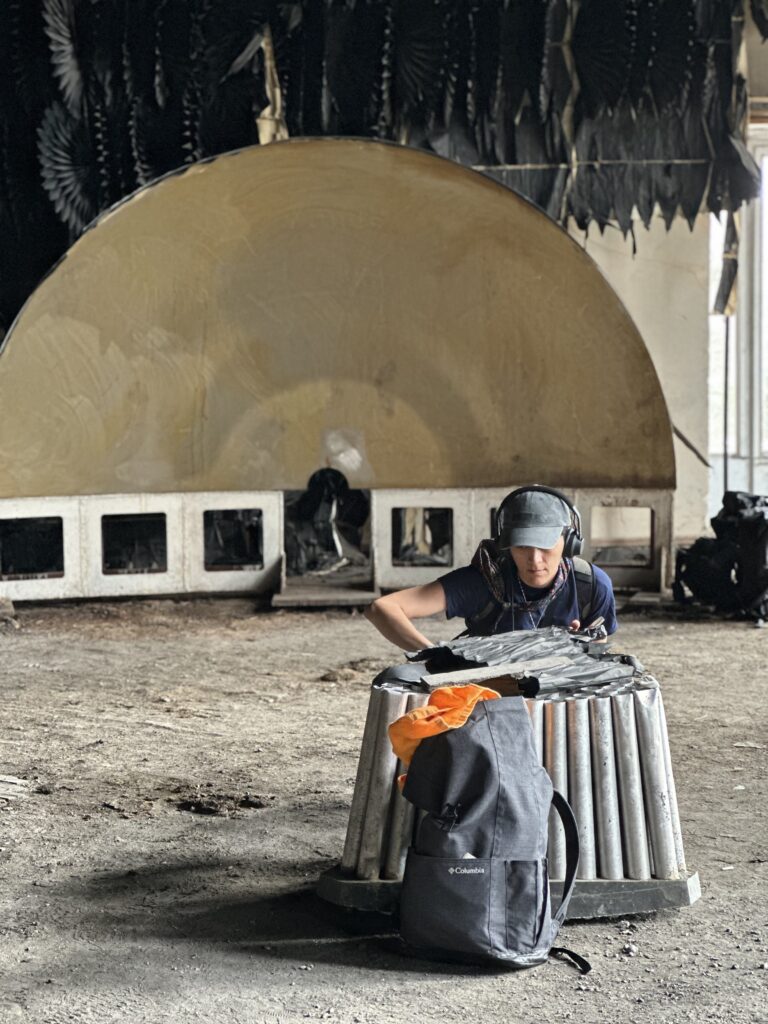
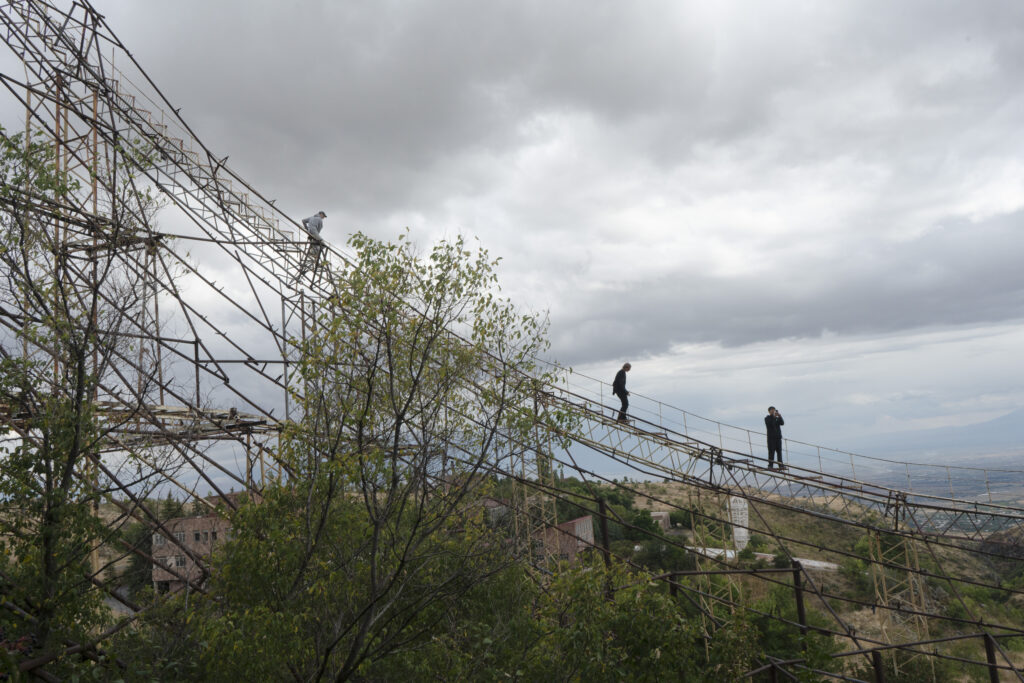
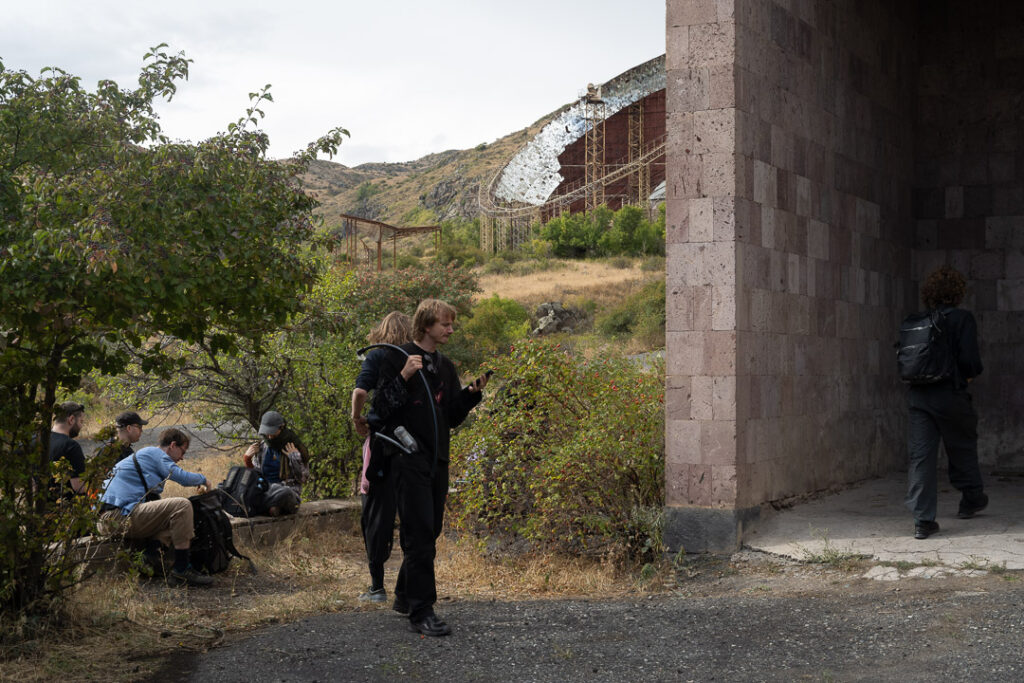
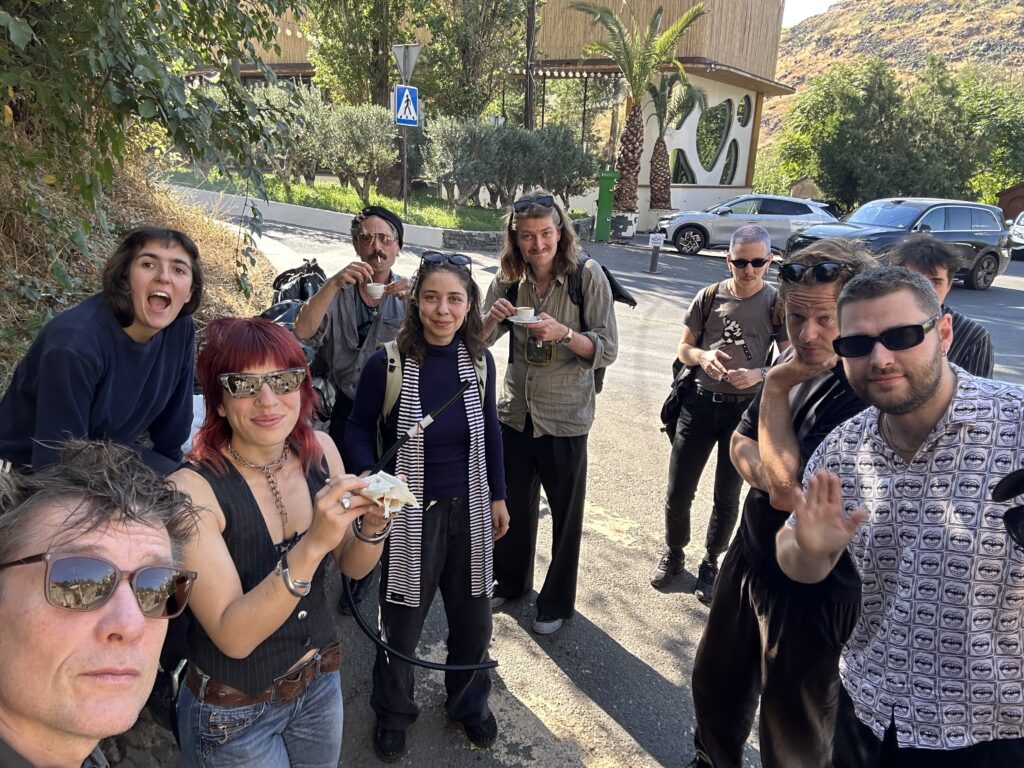
This study trip to Armenia explored the sonic and cultural characteristics of post-Soviet architecture in dialogue with the country’s contemporary art and music scene. Organised in collaboration with NOPA, the Goethe-Institut Armenia and the NOPA Festival for Sonic Arts, the programme offered an opportunity to engage with sound as a means of exploring, interpreting and navigating urban and architectural environments.
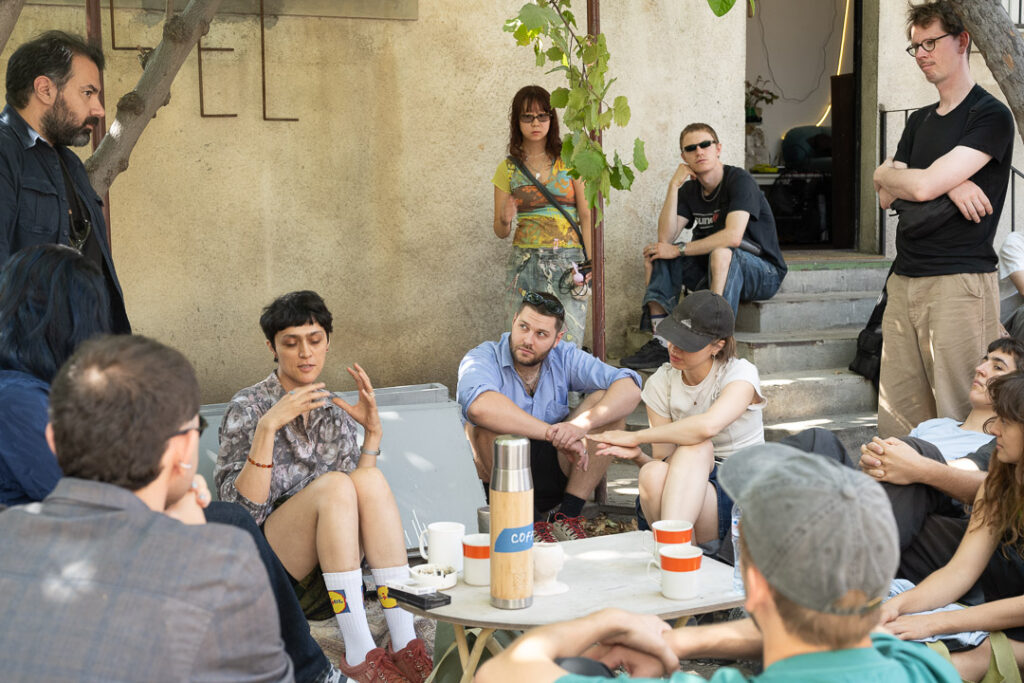
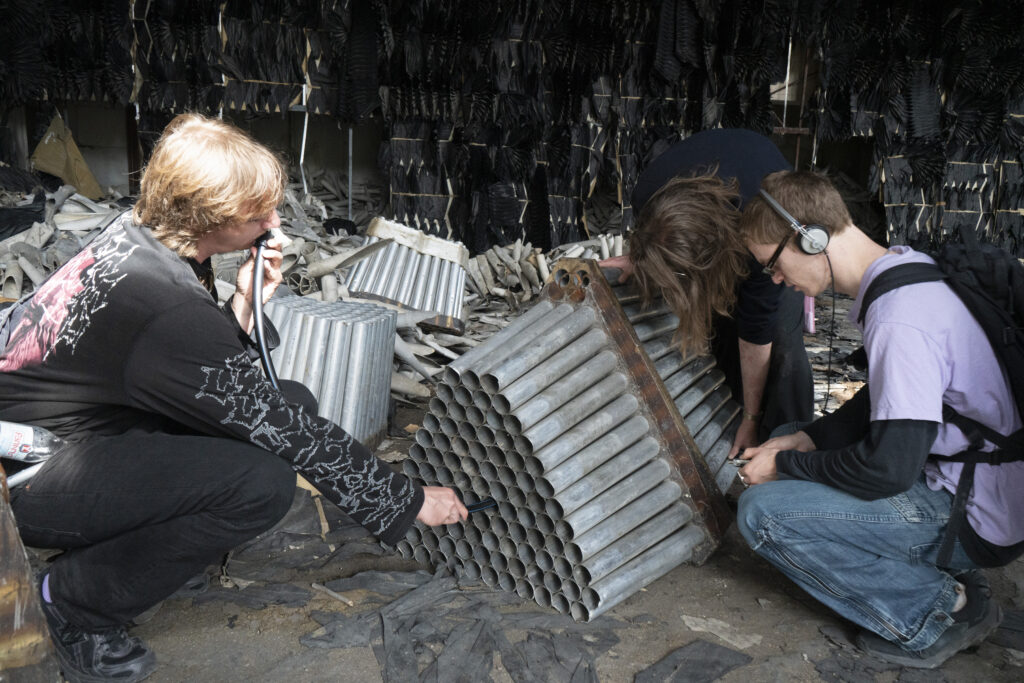
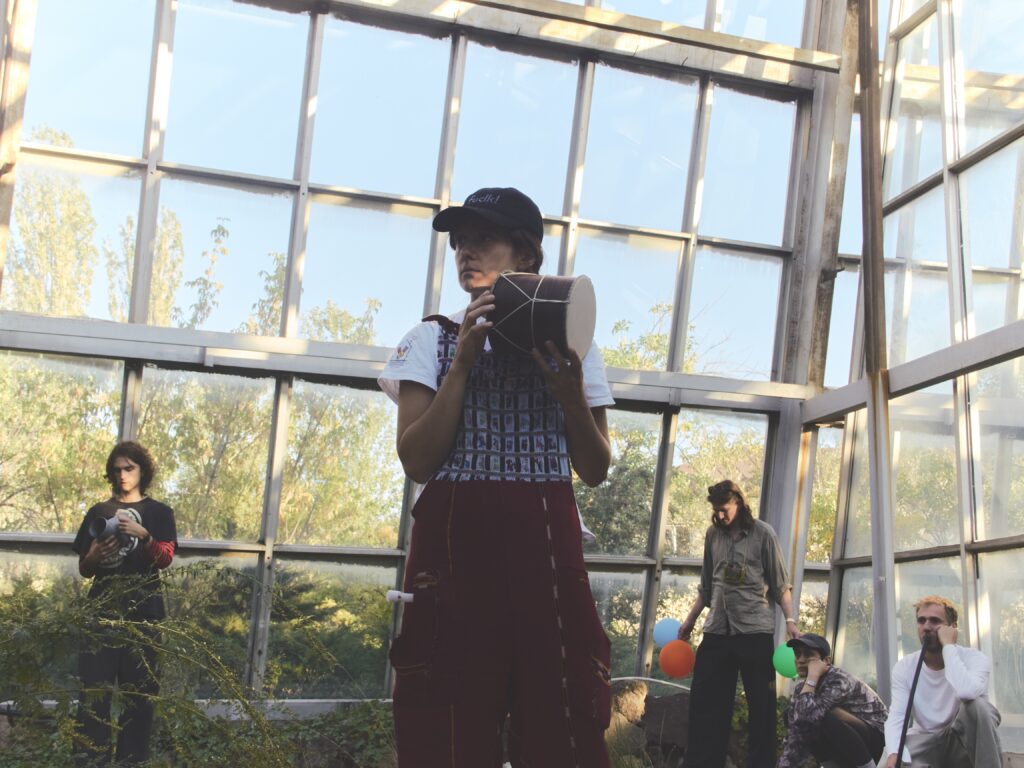
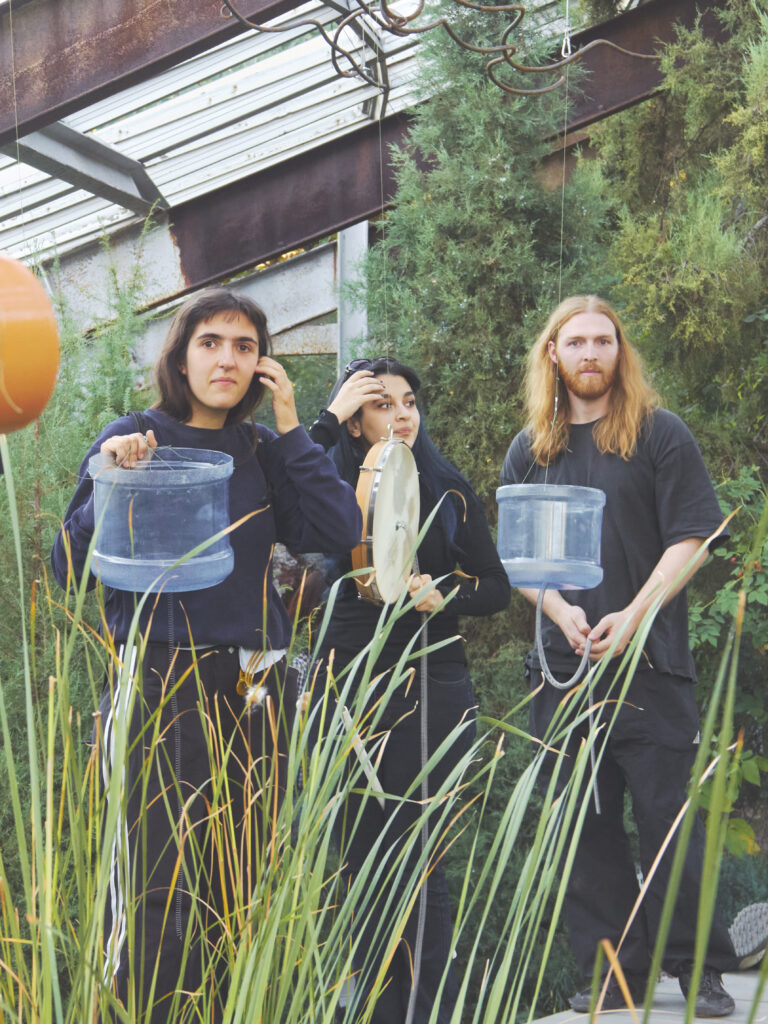
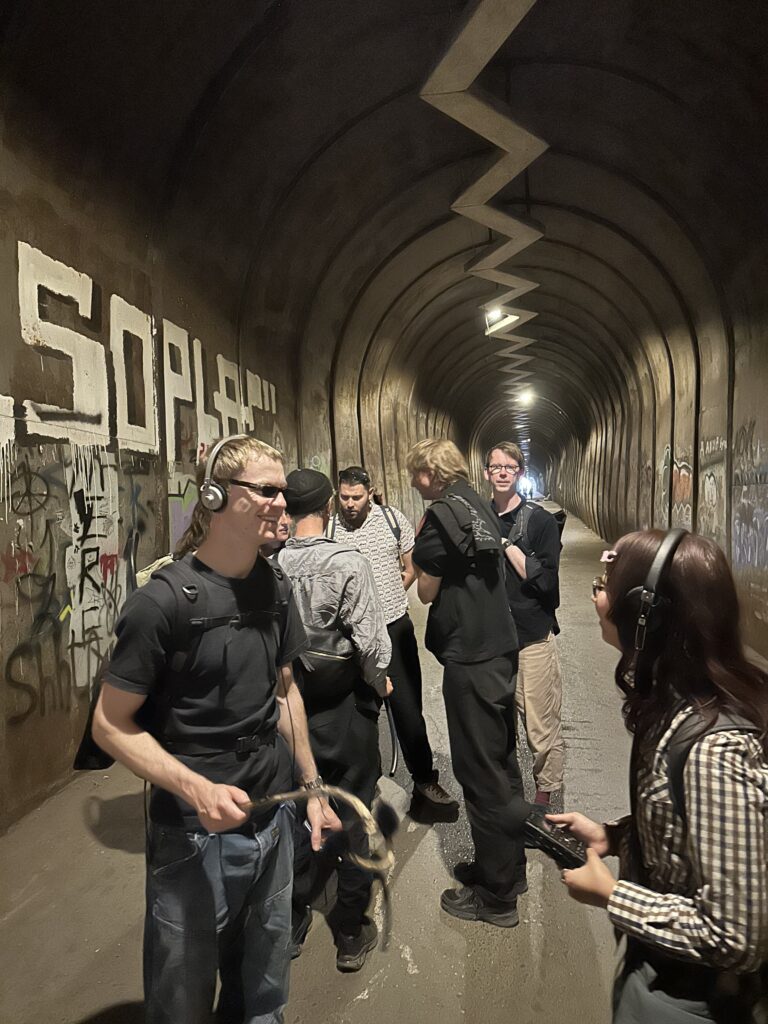
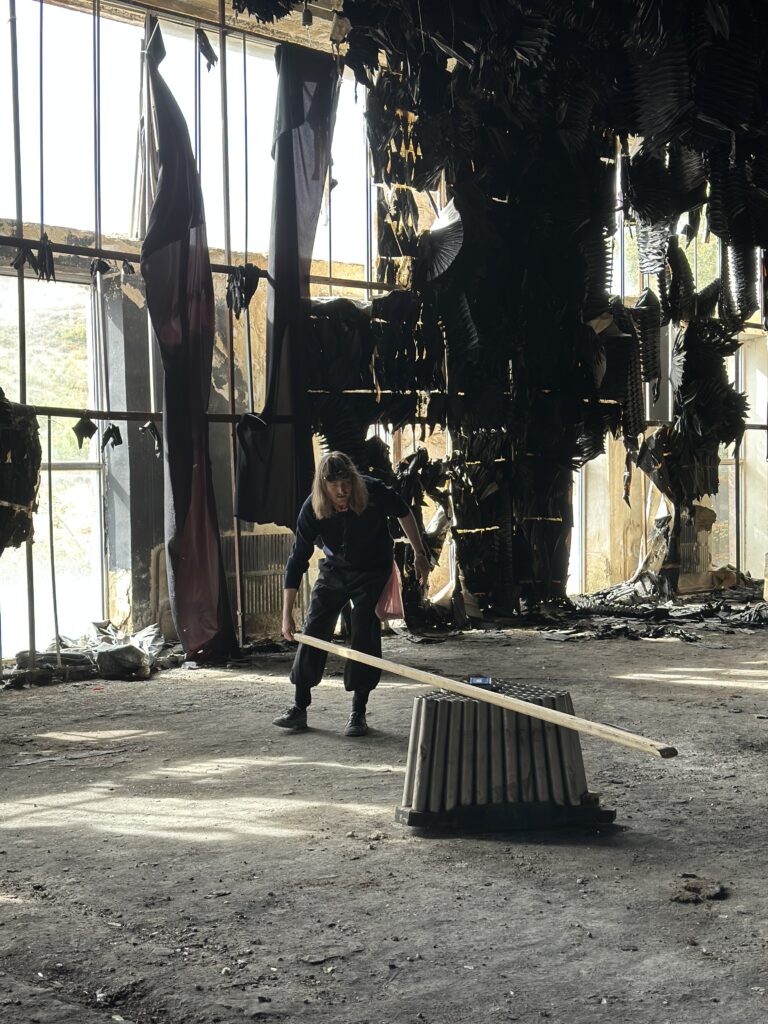
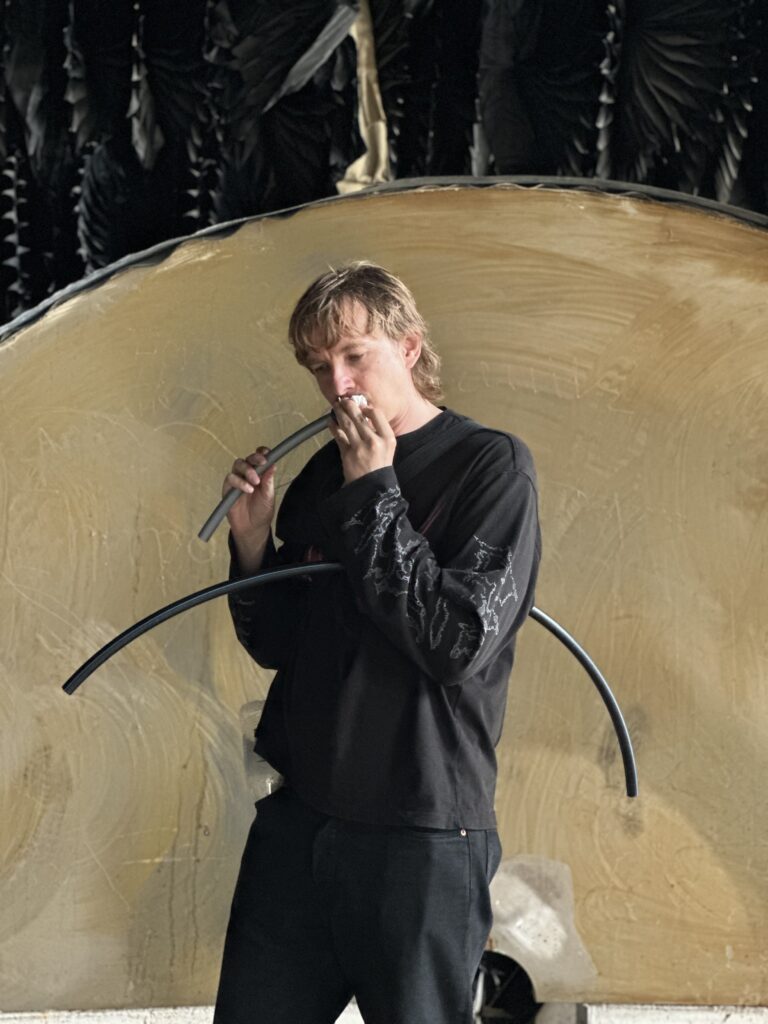
A central element of the trip was Space Academy, a three-day hybrid seminar and workshop on sound as a spatial phenomenon led by Jan St. Werner and Michael Akstaller. Through collective listening sessions, field recordings and experiments with collective performance strategies, participants investigated how sound can serve as a means of spatial orientation and how architectural sites and histories can be experienced and understood through listening. The workshop was guided by the question of how sound can help us discover and navigate reality and open up new ways of perceiving and engaging with our surroundings.
With its geographical position between Europe and Asia, its complex and turbulent history, and its dynamic cultural development, Armenia provides a particularly compelling context for artistic research and practice. In recent years, Yerevan has increasingly developed into an international meeting point, bringing together artists and cultural practitioners from diverse backgrounds and fostering new forms of exchange and collaboration.
The study trip culminated in participation in the NOPA Festival for Sonic Arts, whose programme unfolded across a range of urban and cultural sites throughout Yerevan. Through sound installations, live performances, experimental music, workshops, lectures, site-specific artistic interventions and sound walks, the festival offered multiple perspectives on the relationship between sound, space and the urban environment. It provided an opportunity to encounter Armenia’s contemporary arts scene while reflecting on the ways in which listening can reveal hidden dimensions of architecture, history and identity.
Photos by Rachel Masüger, Lennart Pimpl, Ilya Rodin, SPR